Beautiful Plants For Your Interior
Beautiful Plants For Your Interior
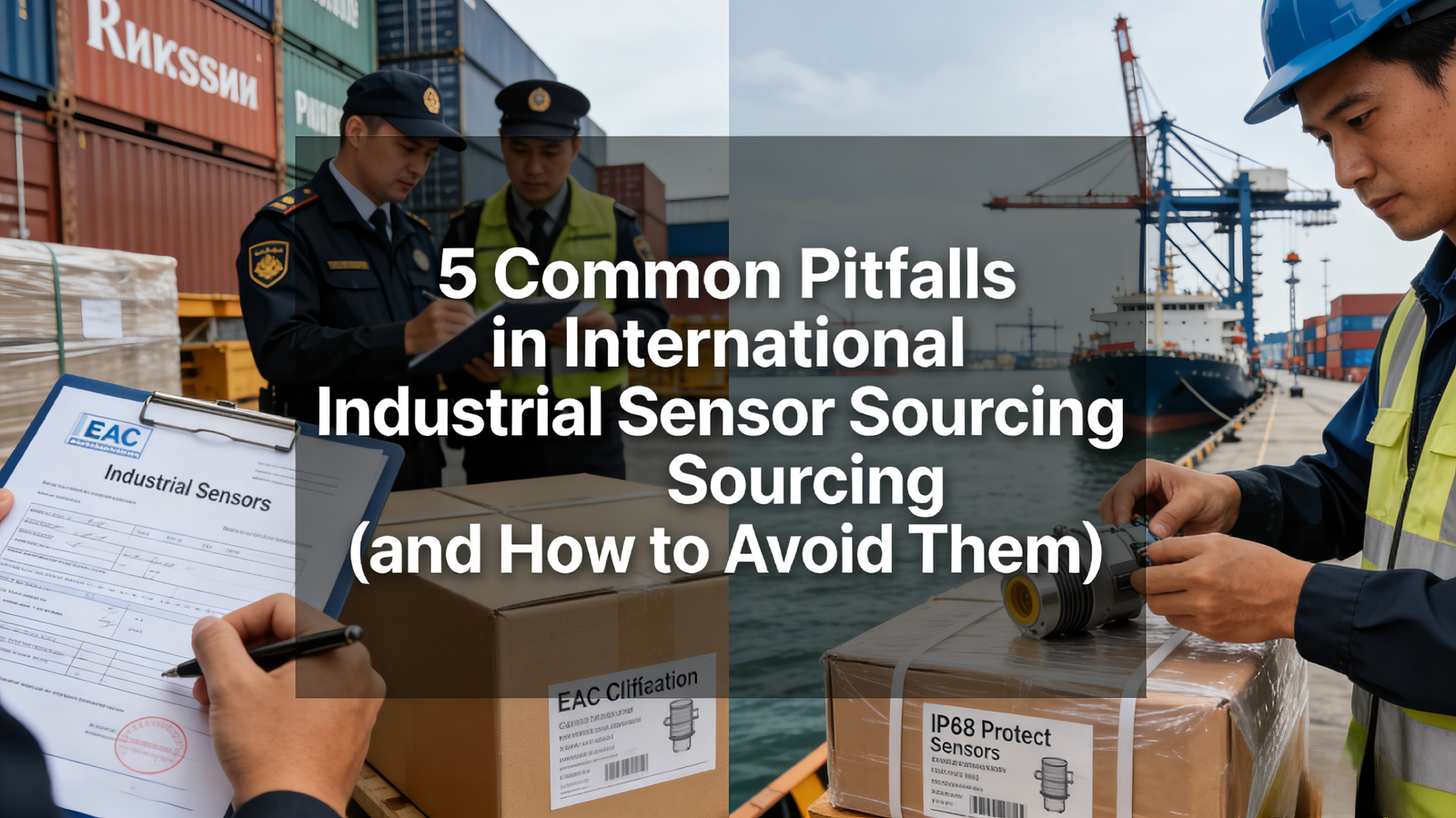
For businesses in Russia, Southeast Asia, and beyond, sourcing industrial sensors from international suppliers offers access to advanced technology, competitive pricing, and a wider product selection. However, cross-border procurement also comes with unique challenges—from certification hurdles to communication gaps and quality inconsistencies.
At [Your Company Name], we have worked with hundreds of clients across Russia, Vietnam, Thailand, Indonesia, and other markets. We understand the complexities of international sensor sourcing. In this post, we highlight five common pitfalls buyers encounter and provide practical advice on how to avoid them.
One of the most costly mistakes is purchasing sensors that cannot be legally or safely installed in your country.
How to Avoid: Before placing an order, verify that your supplier can provide the necessary certifications for your target market. Request copies of certificates and confirm they are valid and applicable to the exact model you are purchasing.
A sensor that performs flawlessly in a European factory may fail prematurely in a tropical monsoon climate or a Siberian winter. Environmental mismatches are a leading cause of premature sensor failure.
How to Avoid: Clearly communicate your operating environment to your supplier. Ask for datasheets that specify operating temperature ranges, ingress protection ratings, and material composition. A reputable supplier will help you select the right configuration for your conditions.
Pressure, temperature, and level sensors come with a wide variety of process connections—NPT, BSP, flanges, sanitary fittings, and more. A mismatch can render a sensor unusable, leading to project delays and unexpected costs.
Common issues include:
How to Avoid: Use detailed specification sheets and, if possible, provide drawings or photos of your existing connections. Confirm thread types, sizes, and sealing methods with your supplier before production. For large orders, request a sample unit for physical validation.
International shipping involves variables that can disrupt project timelines: customs clearance, port delays, and unexpected documentation requirements. In Russia, customs procedures for industrial equipment can be particularly complex. In Southeast Asia, import duties and VAT calculations vary by country.
How to Avoid:
It can be tempting to select the lowest-cost supplier, especially when purchasing in volume. However, cheap sensors often come with compromises: inferior materials, lack of certifications, inconsistent quality, and no after-sales support. When a sensor fails in a critical application, the cost of downtime far exceeds the initial savings.
How to Avoid: Evaluate suppliers holistically. Consider:
A slightly higher upfront investment in a reliable supplier pays dividends in reliability, safety, and peace of mind.
We understand the challenges of international sensor sourcing because we have been serving customers in Russia and Southeast Asia for years. We offer:
Don’t let procurement pitfalls derail your next project. Contact our team today to discuss your pressure, temperature, or level sensor requirements. We will help you navigate certifications, select the right products for your environment, and ensure a smooth, reliable supply chain.